
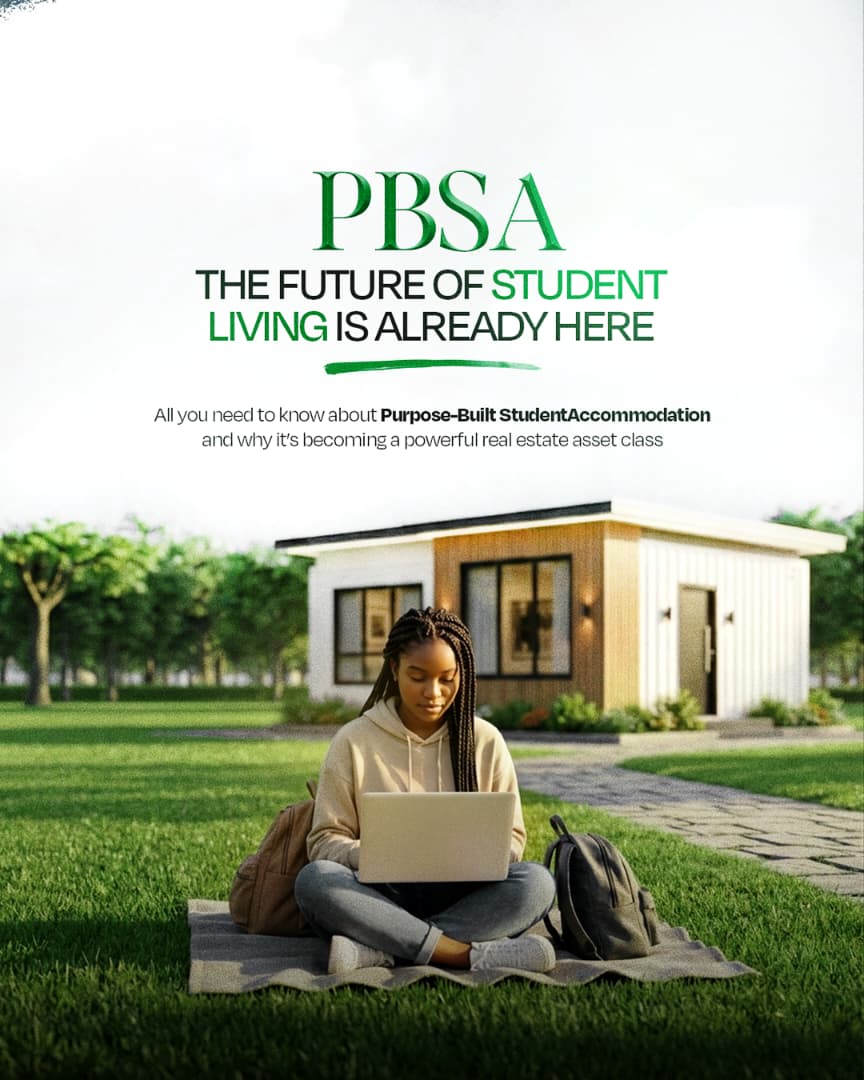
All You Need to Know About Purpose Built Student Accommodation (PBSA) and Its Growing Role in Institutional Real Estate Investment
Student housing is undergoing a structural shift.
What was once treated as informal residential supply is now increasingly viewed as a purpose-driven real estate segment shaped by education demand, urban growth, and long-term demographic trends.
Within this shift, Purpose Built Student Accommodation (PBSA) is emerging as a structured model redefining how student housing is designed, delivered, and assessed.
What is PBSA?
Purpose Built Student Accommodation (PBSA) refers to professionally developed and managed student housing designed specifically for student lifestyle, wellbeing, and academic needs.
Unlike traditional hostels/rental housing, PBSA is:
- Intentionally designed from the ground up
- Structured around student living patterns
- Managed as a coordinated residential system
It represents the evolution of student housing into a more structured and investment-aligned real estate segment.
Why PBSA is Becoming More Relevant Now
The rising importance of PBSA is driven by clear structural pressures in education-linked housing markets.
In many growing education hubs, student enrolment continues to outpace the supply of structured accommodation, creating a persistent demand gap. At the same time, expectations around safety, community, and quality living environments are increasing.
This convergence signals a shift:
PBSA is becoming a necessary response to a widening gap between student demand and structured housing supply.
For investors and developers, this translates into:
- Demand-driven occupancy potential
- Supply-constrained opportunity in education zones
- Long-term alignment with demographic and education growth trends
In markets such as Nigeria and similar emerging economies, this gap is even more pronounced.
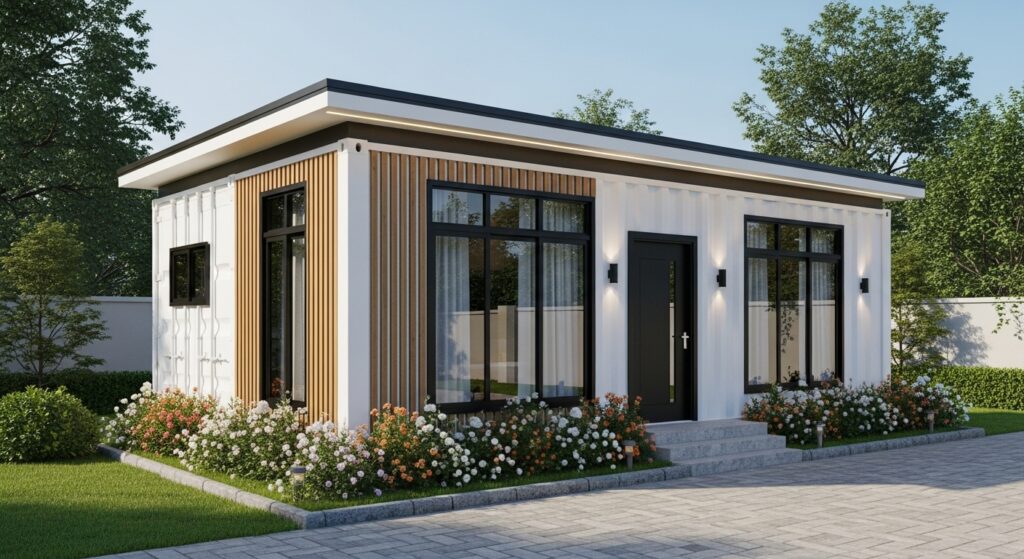
The NEST- PBSA – A Practical Application
At SmartCity PLC, this thinking is already being implemented through The NEST – PBSA, a structured student living model designed to demonstrate how PBSA principles can be applied in practice.
The NEST is positioned as a scalable development model, not just a housing facility.
Its design focuses on:
- Environments that support focus and academic productivity
- Structured community living
- Operational consistency that improves student experience
It serves as a real-world example of how PBSA can be executed within an emerging-market context.
PBSA as an Emerging Real Estate Asset Class
From an institutional standpoint, PBSA is gaining attention due to its structural characteristics:
- Demand anchored in education systems
- Predictable occupancy patterns in academic locations
- Growing classification as an alternative real estate asset class
As education infrastructure expands across emerging markets, PBSA is increasingly positioned as a demand-driven and structurally relevant investment segment.
Conclusion
Purpose Built Student Accommodation reflects a shift in real estate thinking, from reactive housing supply to intentional, demand-aligned development models.
Student housing is no longer just about accommodation, but about how environment and structure influence outcomes at scale.
A Real Application of the PBSA Model
At SmartCity PLC, this approach is already in motion through The NEST PBSA, a structured student living model designed to demonstrate PBSA principles in practice.
SmartCity PLC is actively open to strategic partnerships and investment collaborations with institutions, developers, and stakeholders aligned with the future of purpose-built student accommodation.
For interested partners, a guided tour of our prototype facility in Ikoyi, Lagos is available upon request for evaluation and due diligence.
For partnership, investment enquiries, or prototype tour scheduling, contact SmartCity PLC.
Thenest@smartcityplc.com
